
Swing dancing in NYC means two partner dances, and Danznik Studios teaches both in Midtown Manhattan. Lindy Hop is the original swing dance, born in Harlem in the 1920s and danced to big band jazz. West Coast Swing is the smooth, modern style danced to pop, R&B and blues.
Lindy Hop or West Coast Swing: Which Should You Start With?
Both are partner dances you can learn from scratch, and many dancers end up doing both. Lindy Hop is bouncy and energetic, with 6-count and 8-count patterns and the Charleston, and it fits big band swing music. West Coast Swing is danced in a slot with a smoother, stretchier feel, and it fits the pop and R&B songs you hear on the radio. If you love vintage jazz, start with Lindy Hop. If you would rather dance to current music, start with West Coast Swing. Our answer on Lindy Hop vs. West Coast Swing goes into more detail.
Your First Swing Class
Beginner classes start with the basic rhythm, the footwork and how to lead and follow. No partner or experience is needed. Wear comfortable shoes with smooth soles that let you turn. When you are ready for more, each style has a path from beginner to intermediate classes.
How the Levels Work
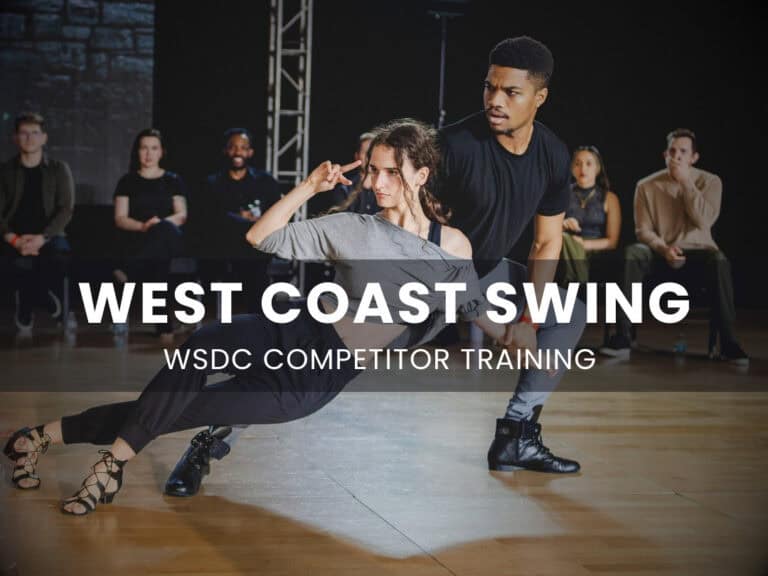
Lindy Hop classes run as Lindy 100 for beginners, Lindy 150 for refining technique and adding the Charleston, and Lindy 200 for social dancing skills. West Coast Swing runs from Level 1 classes and a monthly beginner boot camp to Level 2 and Level 3 classes and competitor training. For Lindy Hop, teachers recommend about two months of Lindy 100 and six months of Lindy 150 before moving up, and the class cards below list the level for each class.
Weekly Swing Dance Socials in Midtown
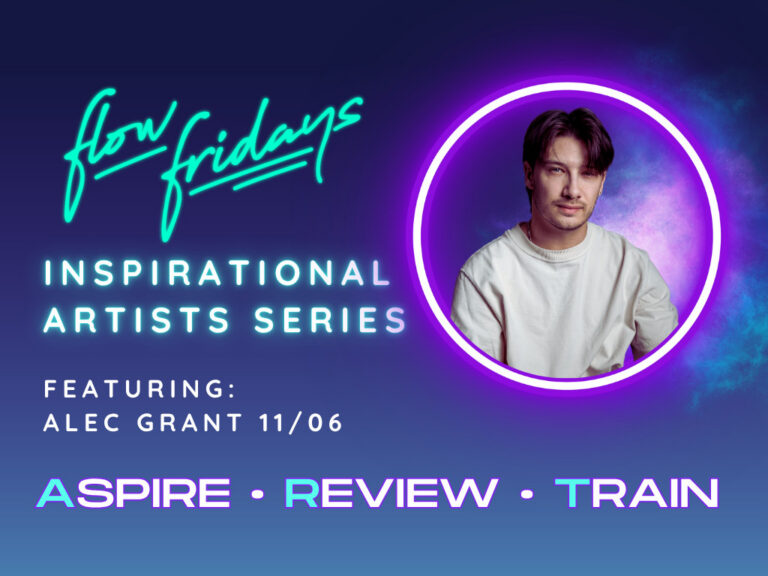
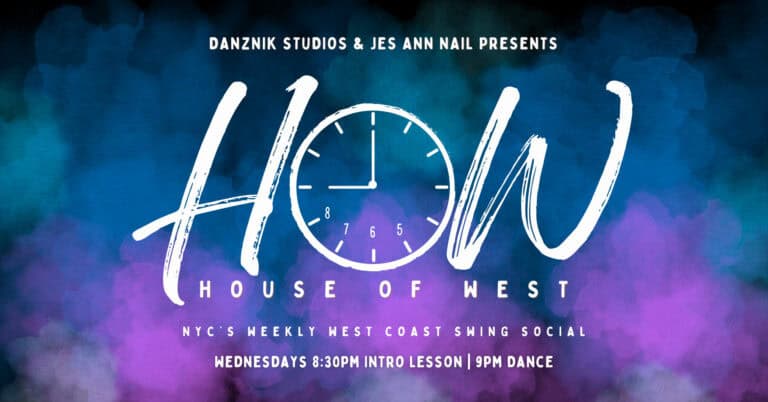
Socials are where classes turn into dancing. Midtown Swings is our Lindy Hop social on Tuesday nights, and House of West is our West Coast Swing social on Wednesdays. Flow Fridays and Soul Sunday are monthly West Coast Swing parties. The weekly socials start right after class, so you can take a lesson and stay to dance.